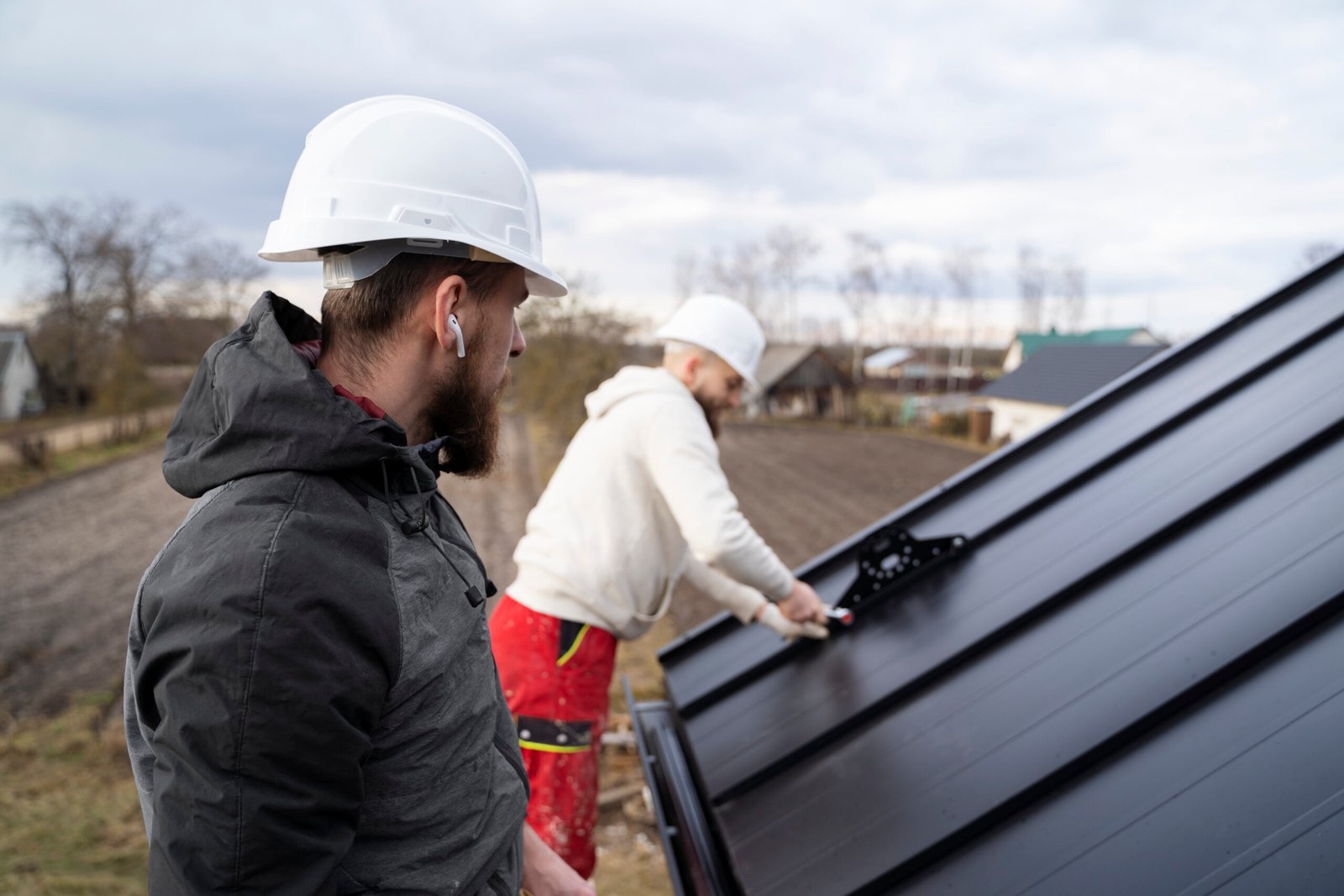
Flat roofs are a popular option for extensions, garages, commercial properties, and modern homes thanks to their clean look and cost-effective design. However, during colder months, flat roofs can become more vulnerable if they are not properly maintained. Low temperatures, heavy rainfall, and standing water can all put extra strain on the system.
At Roofs For You, we help property owners understand how to protect their flat roofs during winter and avoid costly damage.
Why Flat Roofs Are at Risk in Cold Weather
Unlike pitched roofs, flat roofs drain water more slowly. Although they are built with a slight slope, winter conditions can still create challenges.
Standing water
Heavy rain combined with cold temperatures can lead to water pooling on the surface, increasing pressure on the roofing membrane.
Freeze and thaw cycles
Water can freeze overnight and thaw during the day. This repeated expansion and contraction can weaken joints, edges, and seams.
Debris buildup
Leaves, moss, and dirt can block drainage outlets, preventing water from flowing away properly.
Reduced flexibility
Some materials become less flexible in colder temperatures, making them more prone to cracking if already worn or poorly installed.
Common Winter Issues with Flat Roofs
Flat roof problems often start small and worsen over time.
Cracks or splits in the membrane
Cold weather can highlight weak points, allowing water to enter the structure.
Failed seams and joints
If seams are not properly bonded, winter movement can cause them to open and let moisture in.
Blocked outlets and drainage problems
Clogged gutters or outlets can cause water to build up and increase the risk of leaks.
Blistering or bubbling
Trapped moisture beneath the surface can expand, creating bubbles that weaken the roof.
EPDM Flat Roofs in Winter
EPDM rubber roofing is known for its flexibility and durability, making it a strong choice for flat roofs. However, issues can still occur if the roof has not been installed or maintained correctly.
Problems are more likely when drainage is poor, seams are weak, or regular inspections have been neglected. Routine checks help catch small issues early and extend the roof’s lifespan.
GRP Fibreglass Roofs in Winter
GRP fibreglass roofs are seamless and highly durable, performing well in harsh weather when properly installed. Still, they can develop issues over time.
Cracks, impact damage, or long periods of standing water can affect performance. Regular inspections are important to ensure the surface remains intact and watertight.
Winter Maintenance Tips for Flat Roofs
Keeping your flat roof in good condition during winter doesn’t have to be complicated, but it does require consistency.
- Clear leaves, moss, and debris regularly
- Check that drainage outlets and gutters are not blocked
- Inspect the roof after storms or heavy rain
- Look for cracks, splits, or surface damage
- Pay attention to damp signs inside your property
Why Professional Inspections Matter
Flat roof problems are not always visible from the ground. A professional roofer can safely inspect the roof and identify early warning signs before they become serious.
Professional inspections help:
- Detect hidden damage
- Check drainage performance
- Identify wear and tear
- Prevent unexpected leaks
- Reduce long-term repair costs
Repair or Replacement?
Not every issue requires a full replacement. Many flat roof problems can be fixed with targeted repairs if caught early.
However, if the roof shows widespread damage, ongoing leaks, or structural issues, a full replacement may be the better long-term solution. A professional assessment will help determine the best option.
Keeping Your Flat Roof Protected
Flat roofs can perform reliably throughout winter when properly maintained. Regular inspections, quick repairs, and expert guidance all help prevent damage during colder months.
By staying proactive, you can protect your property, avoid unnecessary costs, and ensure your flat roof continues to perform effectively all year round.